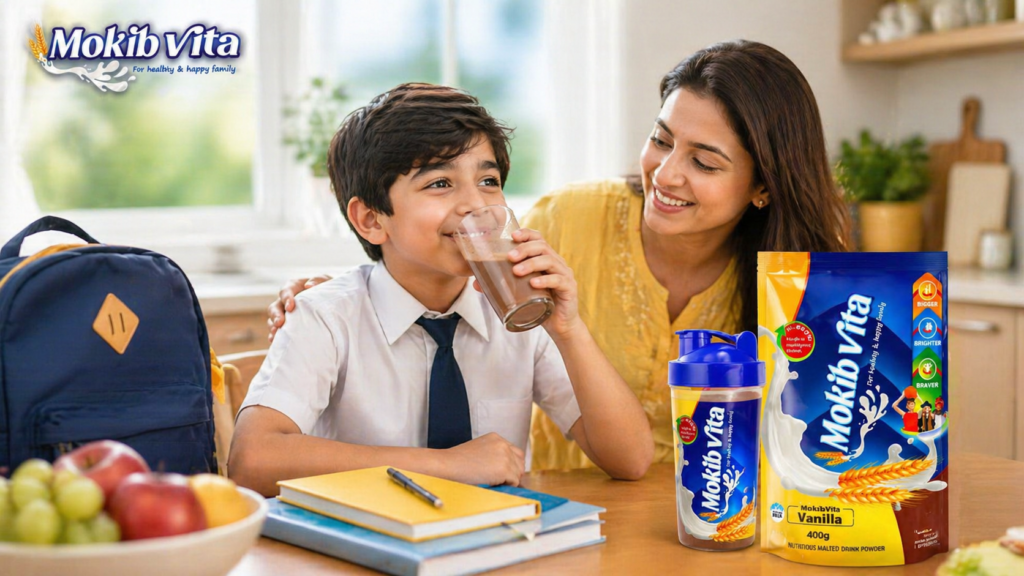
Every parent wants their child to grow healthy, active, confident, and bright. Childhood is one of the most important stages of life because the body and brain are developing rapidly. During these years, children need the right balance of nutrients to support their height, bones, muscles, energy, immunity, learning ability, and overall well-being.
Good nutrition is not just about eating more food. It is about eating the right food in the right balance. A child may eat enough meals in a day, but still miss important nutrients if the diet is not balanced. That is why parents should focus on daily nutrition that includes proteins, vitamins, minerals, healthy carbohydrates, fruits, vegetables, dairy, and enough water.
A balanced diet helps children grow properly, stay active in school and sports, and build strong health for the future. Global health organizations also emphasize that healthy diets and good feeding practices are essential for healthy growth and development in children.
What Does Nutrition Mean for Kids?
Nutrition means giving the body the nutrients it needs to work properly. For growing kids, nutrition supports physical growth, brain development, immunity, energy, and daily activity. Children are not small adults. Their bodies are still developing, so their nutritional needs are different.
A growing child needs a mix of:
- Protein for muscles and body repair.
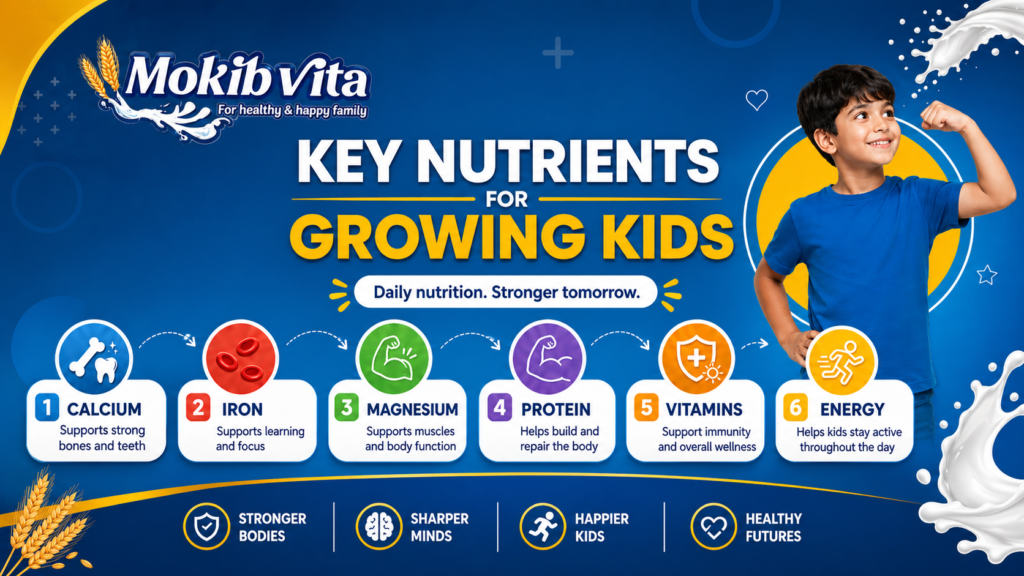
- Calcium for strong bones and teeth.
- Iron for blood health and brain function.
- Magnesium for muscles, energy, and normal body functions.
- Vitamins for immunity, growth, and overall health.
- Healthy carbohydrates for daily energy.
- Water for hydration and body balance.
When children get these nutrients regularly, their bodies can perform better. They can focus more in class, play actively, recover from tiredness, and maintain better general health.
Nutrition Supports Physical Growth
One of the biggest concerns for parents is physical growth. Children need proper nutrition to support height, bone strength, muscle development, and body weight balance. Growth is influenced by many factors, including genetics, sleep, physical activity, and nutrition. While nutrition alone cannot change genetics, it plays a major role in helping a child reach their natural growth potential.
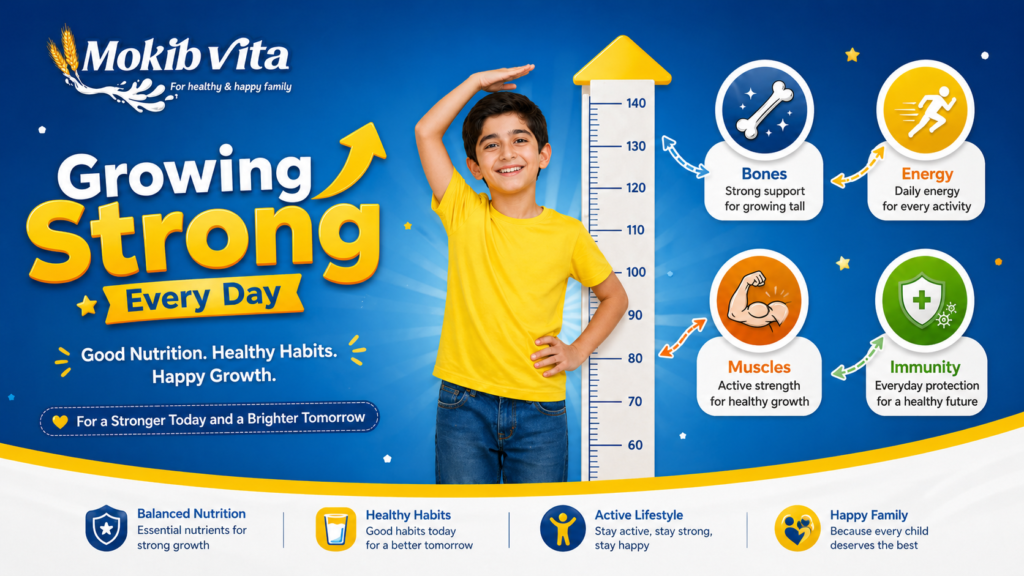
Calcium is especially important for bones and teeth. Children with poor calcium intake may not get the support their bones need during growth years. According to the National Institutes of Health, calcium is needed for bone strength, and deficiency can negatively affect bone health in children.
Iron is also important because it supports healthy blood and oxygen transport in the body. When a child does not get enough iron, they may feel tired, weak, or less focused. Magnesium helps with muscle and nerve function and supports many normal body processes. The body needs micronutrients in small amounts, but their role in growth and development is very important.
For parents, the goal should be simple: provide a balanced daily diet that supports natural growth. This includes milk, fruits, vegetables, grains, eggs, meat, pulses, nuts, and nutrient-rich drinks when needed.
Nutrition Supports Brain Development and Learning
Children need energy not only for running and playing but also for thinking and learning. The brain uses nutrients to develop, focus, remember, and process information. A child who skips breakfast or eats low-nutrition food may struggle with attention, mood, and energy during the school day.
Iron is one of the key nutrients linked with normal cognitive development. Vitamins and minerals also help the body and brain function properly. UNICEF highlights the importance of nutritious diets and positive feeding practices for children’s development.
Parents often focus on school books, tuition, and study routines, but nutrition is also part of academic support. A child who eats a healthy breakfast and receives balanced nutrients is more likely to stay active and attentive throughout the day.
Nutrition Builds Strong Immunity
Children are exposed to germs at school, playgrounds, and social gatherings. A strong immune system helps the body fight common infections and recover better. Nutrition plays a major role in supporting immunity.
Vitamins and minerals help the body produce important cells and maintain normal body functions. A diet lacking important nutrients may affect a child’s overall health and resistance. This is why fruits, vegetables, dairy, grains, and protein-rich foods should be part of daily meals.
Parents should encourage children to eat colorful foods. Different colors often represent different nutrients. For example, green vegetables, orange fruits, dairy products, and whole grains all support the body in different ways.
A nutritious drink can also be added to a child’s routine, especially when the child is a picky eater or does not enjoy certain foods. However, it should be part of a balanced diet, not a replacement for meals.
The Problem of Picky Eating
Many children are picky eaters. Some avoid vegetables, some do not like milk, and some prefer snacks over proper meals. This can make it difficult for parents to provide complete nutrition every day.
Picky eating is common, but it should be managed gently. Forcing children to eat can create stress around food. Instead, parents can make meals more interesting, colorful, and enjoyable.
Why Daily Nutrition Routine Matters
Good nutrition is not a one-day activity. It is a daily habit. Children grow every day, so they need consistent nourishment. A strong routine helps parents manage meals better and helps children develop healthy habits.
A simple daily routine may include:
- A healthy breakfast.
- A school lunch with protein and carbohydrates.
- Fruits or nuts as snacks.
- Milk or a nutritious drink.
- Dinner with vegetables and protein.
- Water throughout the day.
Parents should also avoid making nutrition complicated. The goal is not perfection. The goal is consistency. Even small improvements in daily eating habits can support better growth and health over time.
Simple Nutrition Tips for Parents
Parents do not need to follow complicated diet plans. Simple habits can make a big difference.
- Start the day with breakfast.
- Add milk or a nutritious drink to the routine.
- Include fruits and vegetables daily.
- Limit sugary snacks and fizzy drinks.
- Encourage water instead of soft drinks.
- Make meals colorful and enjoyable.
- Focus on sleep and physical activity.
- Consult a pediatrician if there are growth or nutrition concerns.
Children learn from family habits. If parents choose healthier foods, children are more likely to follow.
Conclusion
Nutrition matters because it supports every part of a child’s growth. It helps build stronger bones, active bodies, sharper minds, better immunity, and healthier routines. Childhood is the foundation of lifelong health, so parents should focus on balanced nutrition every day.
Mokib Vita can be a helpful part of this journey by offering a tasty and nutrient-rich drink for children. With flavors like Chocolate, Vanilla, and Malt Original Classic, it makes daily nutrition more enjoyable.
A child who receives the right nutrition today is better prepared for tomorrow — stronger, smarter, healthier, and more confident.